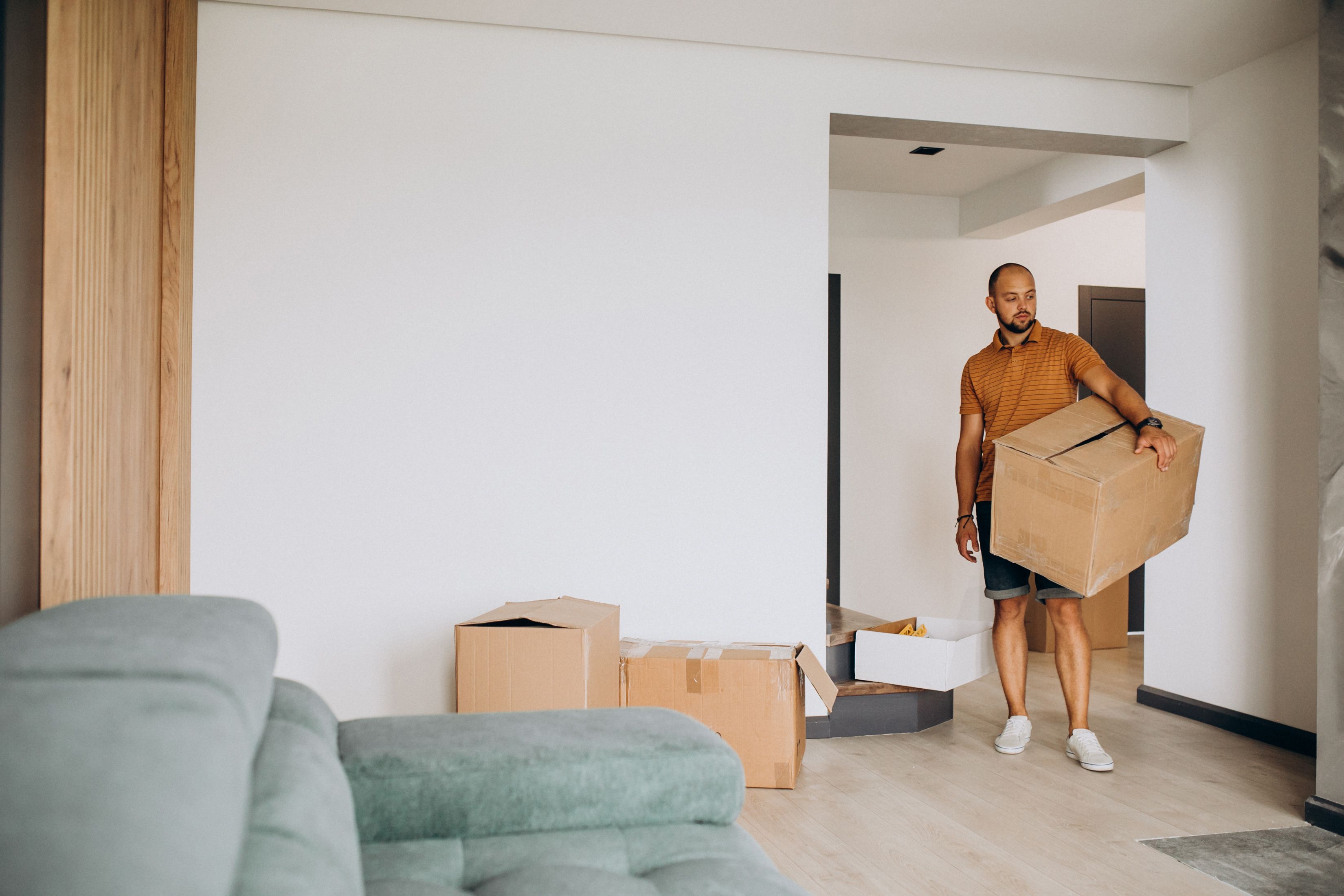
Most people decide to move first and only think about packing later. For a few days it feels manageable: you pick up a carton, fill it with whatever is in front of you, tape it shut and tell yourself you are making progress. Then suddenly the move date is close, there are half-packed boxes in every room, nobody remembers what went where, and small arguments start because everyone is tired. The real problem is not the number of cartons; it is the lack of a clear room-by-room plan.
A good packing plan respects two things at the same time. It protects your belongings so that plates do not chip, TVs do not crack and favourite decor does not arrive in pieces, and it also protects your energy so that you are not completely drained before the actual move day even begins. The easiest way to get both right is to stop packing randomly and start packing one room at a time with a few simple rules.
In this guide, we will walk through how to prepare, what materials to use, and how to pack your kitchen, bedrooms, electronics and fragile items in a way that feels structured instead of chaotic. You will also see how to handle packing fatigue, how to label boxes so unpacking becomes easier, and when it makes more sense to lean on professional packers instead of trying to do everything alone.
Why Room-By-Room Packing Works Better Than “Pack Whatever You See”
Random packing always looks faster in the first hour because you are simply filling empty boxes. You grab books from the living room, some clothes from the bedroom, a few plates from the kitchen and convince yourself that progress is happening. The reality only hits in the new house when you open one box and find shoes mixed with spoons and cables. Unpacking then takes days, you keep losing small but important things, and a lot more items get damaged simply because they were never meant to travel together.
Room-by-room packing slows you down slightly at the start but saves you energy overall. When you complete one zone before jumping to the next, each carton has a logic: kitchen items stay together, bedroom items stay together, and fragile decor is not fighting for space with heavy metal utensils. It becomes easier for relocation service providers to handle your boxes correctly, easier to place them in the right rooms at the new house, and easier for you to decide which rooms to set up first so that the new place becomes liveable quickly.
Before You Start - Declutter, Gather Materials And Set Ground Rules
Packing is not just a technical exercise; it is also a chance to decide what you want to carry into your next chapter. If you skip decluttering and start packing everything as it is, you end up paying time, money and emotional attention to items you neither use nor like. It is far better to do one or two focused rounds in each room where you sort things into "keep", "donate", "sell" and "discard" piles. Old clothes that nobody wears, broken appliances that were never repaired, half-dead plastic containers and random freebies all fall into the category that should not travel.
Once you have reduced the volume, gather sensible packing material. You do not need fancy branded boxes, but you do need sturdy small and medium cartons, good tape, bubble wrap or foam, packing paper, stretch film for furniture, markers and a few zip-lock bags for screws and small parts. Thin grocery cartons, torn bags and loose shopping bags usually cause more trouble than they solve because they cannot handle weight or stacking.
A few ground rules make a big difference if you follow them consistently:
- Use smaller boxes for heavy items like books, crockery and hardware, and reserve big boxes for lighter items like linens and cushions
- Never leave empty spaces inside cartons; fill gaps with paper, bubble wrap or soft clothes so things do not rattle and break
- Label every box with the room name and a short description of contents on at least two sides so that you can read it even when boxes are stacked
If you start with these basics in place, every other room in the house becomes easier to manage.
How To Pack Your Kitchen For Moving (The Toughest Room)
The kitchen is usually the hardest room to pack because it combines fragile glass, heavy pots, open food, sharp knives and bulky appliances in a tight space. The mistake most people make is trying to leave it for the very end. A better approach is to start with the rarely used items - extra dinner sets, baking trays, special-occasion serving dishes - and only leave daily-use items and a small "moving menu" for the last two or three days.
Plates, bowls and glassware need more patience than strength. Wrap plates individually or in small stacks, then place them vertically in a padded box instead of flat on top of each other. Glasses and cups should be wrapped and placed upright with soft padding between them and at the bottom of the box. Heavy steel utensils are best nested (one inside another) with smaller items inserted carefully, while sharp knives should always travel with blades covered and secured so they cannot pierce through.
A simple kitchen packing checklist can keep you on track:
- Pack rarely used crockery and serveware first, then move towards daily-use items as the move date approaches
- Wrap all glass, ceramic and stoneware individually and place them vertically with padding at the base and sides
- Nest pots and pans, separating non-stick surfaces with paper or cloth so they do not scratch each other
- Use strong, small cartons for heavy items and clearly mark them as "FRAGILE" or "HEAVY" on multiple sides
- Avoid carrying half-open packets and large liquid containers; finish them beforehand or give them away and move only sealed, non-messy food
For appliances like mixers and microwaves, original boxes are ideal, but if you no longer have them, wrap each unit securely, remove loose parts and label cables. Defrost and clean the fridge at least a day before moving, tape shelves and doors shut, and make sure it travels upright in the truck.
How To Pack Bedroom Items (Clothes, Furniture & Personal Things)
Bedrooms feel simple until you actually start taking things out of cupboards. Clothes, personal items, bedding, side tables, lamps and hidden drawers appear from everywhere. Begin with a quick declutter where you remove obviously unused or damaged clothes, duplicate bedsheets and old accessories. Then separate out one small set of clothes and essentials that each person will use for the first week in the new home; these should go in a clearly labelled suitcase or bag, not in a sealed carton.
Heavy clothes like jeans, jackets and winterwear travel best in suitcases, duffel bags or solid cartons that can handle the weight. Lighter clothes like t-shirts and kids’ wear can be folded and placed in medium boxes. For beds and wardrobes, dismantling is usually worth it because it protects joints and makes carrying easier. As you unscrew frames and remove handles, keep all screws, nuts and small fittings in labelled zip-lock bags taped to the main piece of furniture so they do not vanish into some random box.
Personal and sentimental items deserve their own attention. Jewellery, important documents, medical records, family photos, hard drives and anything you would be devastated to lose should not go into general moving boxes at all. Instead, keep them in a dedicated "personal valuables" bag that travels with you, not in the truck. This one habit has saved many families from unnecessary panic on unpacking day.
How To Pack Electronics Safely (TV, Computers And Gadgets)
Electronics are both expensive and fragile, which is why they cause so much stress on move day. Before you unplug anything, take clear photos of the back of your TV, the router setup and your desktop computer connections. These pictures will save you time and frustration when you need to reconnect everything at the new place. It is also smart to back up important data from desktops and external drives so that even if something goes wrong physically, your information is safe.
If you still have original boxes and foam inserts for your TV, monitor or other big devices, this is the time to use them. If not, wrap screens with a soft cloth or foam first, add a layer of bubble wrap, and place them upright in a snug box with plenty of padding at the base and sides. Never lay a large TV flat. CPUs should be packed upright in strong cartons with cushioning all around, while laptops, gaming consoles and smaller gadgets are safest in their own padded bags or cases. Keep cables organised in labelled pouches and avoid dumping multiple heavy electronics together in one giant box that nobody can lift.
Whenever possible, carry small, high-value electronics like laptops, tablets and cameras with you rather than in the main truck. For big appliances such as washing machines and refrigerators, follow the manufacturer’s basic instructions: drain and dry the washing machine, secure any moving drum parts, empty and defrost the fridge, and tape cords so nobody trips over them while loading.
How To Pack Fragile Decor And “Scary To Move” Items
Every home has a few items that make people nervous at the thought of moving: a large mirror, a glass-front cabinet, framed photos, a delicate lamp or a favourite showpiece collected on a special trip. These pieces are usually not only financially costly but also emotionally loaded, which is why they deserve a slower, more deliberate approach.
The principle is always the same: wrap, cushion and stabilise. First cover the item with soft material or paper to protect the surface, then add a layer of bubble wrap or foam, making sure corners and protruding parts are well padded. Choose a box that fits closely enough to prevent too much movement, and fill the remaining gaps with crumpled paper, cloth or foam so nothing can shift when the box is lifted. Heavy fragile items should sit at the bottom of the carton with lighter ones on top, never the other way around. Once packed, clearly mark these boxes as "FRAGILE" and indicate the correct upright orientation.
The Packing Fatigue Curve - And How To Not Lose Steam Halfway
Packing an entire home is not just physical work; it is also a long series of small decisions. Every book, bowl, bedsheet and cable forces you to decide whether to keep it, how to pack it and where to put it. In the beginning, people often feel strangely energetic. They clear a shelf, fill a box, tape it, and feel satisfied. Around the second or third day, decision fatigue starts creeping in. You have seen too many items, made too many choices and your brain is simply tired of deciding. That is when "just throw it somewhere" packing begins, which is exactly what leads to chaos in the new house.
The best way to handle this is to accept that packing fatigue is normal and design around it instead of pretending you will be disciplined forever. Give each major room its own day or half-day, and do focused sessions of 60-90 minutes followed by short breaks instead of trying to pack for six hours straight. Have one "do not pack" corner where you keep daily essentials and small comforts so that your life does not feel like a construction zone from day one. At the end of each day, take five minutes to note what you completed and what remains. That small sense of visible progress keeps you moving even when your energy dips.
Room-By-Room Labels, Colour Codes And Unpacking Order
Even the best packing work loses impact if boxes are not labelled clearly. Writing just "misc" or "random" on a carton guarantees future irritation. A simple format works well: room name plus a short description, for example, "Kitchen - Glassware & Cups", "Bedroom 1 - Clothes A", "Living Room - Books", and so on. Mark this on at least two sides of each box so you can read it even when boxes are stacked in a corner.
If you want to go one step further, use basic colour coding. You can assign one colour of marker, sticker or tape to each room and mark both boxes and the doors in the new house with the same colour on moving day. This makes it easier for packers to place boxes correctly without constantly asking you. When you reach the new home, set a simple unpacking order: usually kitchen and main bedroom first, then bathrooms, then children’s rooms or work area. This sequence makes the new place functional quickly, even if decor and less urgent items take a bit longer.
When To DIY And When To Let Professional Packers Handle It
Not every move requires a full professional packing team, but not every move should be handled entirely by family and friends either. Light moves - such as a single room, a PG shift or a young couple with minimal furniture - can often be managed with DIY packing if you start early and follow the basic rules from this guide. You save money and you stay in full control, as long as you are realistic about the time and effort involved.
For full 2BHK or 3BHK households, elderly parents, small children, tight timelines or long-distance moves, professional packers usually change the experience dramatically. They bring enough hands, the right materials, a proven system and an understanding of how to protect furniture, electronics and fragile items in far less time than most families could manage alone. A quick way to decide is to ask yourself how much energy you need to save for work, kids and paperwork during moving week. The less energy you can spare for manual labour and small logistics, the stronger the case for hiring a team that does this every day.
As a quick decision guide, you can keep these points in mind:
- DIY packing works best for small moves with few heavy items, flexible dates and relatively free weekends
- Standard professional packing is usually right for full homes within the same city when you want to avoid damage and exhaustion
- Full-service packing and moving is worth considering when you have strict joining dates, complex family situations or are moving across cities
Final Thoughts - A Good Packing Plan Protects Both Your Things And Your Sanity
Packing a home is one of those tasks that seems simpler from the outside than it feels from the inside. From a distance, it is just boxes, tape and some bubble wrap. When you are actually in it, you can feel how every decision about what to keep, how to wrap it and where to place it adds up. That is why room-by-room packing, sensible decluttering, the right materials and a bit of respect for your own energy levels matter so much. They are not about being perfect; they are about making sure the move is demanding but not destructive.
If you treat packing as a small project instead of a last-minute chore, you give yourself and your family a much smoother start in the new home. The kitchen works faster, the bedrooms feel settled sooner, and you are not spending weeks hunting for one missing charger or one important file that vanished into a "misc" carton. From our side, we at BOXnMOVE have seen again and again that the moves which feel the calmest are not always the ones with the fanciest houses, but the ones where people packed with intention, asked for help where it mattered and let experienced hands handle the heaviest parts. When you approach your next move this way, the boxes become less of a burden and more of a bridge between the life you are leaving and the one you are building.
FAQs on Room-By-Room Packing For Moving
Q1. When should I start packing for a local move?
For a typical 2BHK local move, it is sensible to start light packing two to three weeks before the move date. Begin with rarely used items in each room and leave daily essentials and the core kitchen setup for the last few days.
Q2. Which room should I pack first?
Start with the least-used spaces: guest rooms, store rooms, rarely used cupboards and extra crockery. This helps you build momentum without disturbing daily life too early. The main kitchen and main bedroom should usually be among the last fully packed spaces.
Q3. Is it okay to use clothes instead of bubble wrap for fragile items?
You can use soft clothes, towels and linens to provide extra cushioning inside boxes, but it is still better to wrap very fragile items in paper or bubble wrap first. Direct contact between delicate surfaces and zips, buttons or rough fabrics can still cause scratches or cracks.
Q4. How do I avoid overloading boxes so they do not tear?
Use small cartons for heavy items like books, utensils and hardware, and test the weight as you fill them. If you struggle to lift a box comfortably, it is probably too heavy for packers and movers to carry safely and for the box to hold during stacking.
Q5. What is the best way to pack clothes for a move?
Heavy clothes and jeans can go in suitcases or duffel bags, while lighter clothes can be folded into medium boxes. Keep a separate, easily accessible bag with 7-10 days of daily wear and essentials for each family member so you are not digging through cartons immediately.
Q6. How should I pack my TV and computer safely?
If you have original boxes, use them. Otherwise, wrap the screen with a soft layer, add bubble wrap, pack it upright in a snug box with plenty of padding and clearly mark it as fragile. For computers, pack the CPU upright with cushioning all around, and keep laptops and hard drives in padded bags.
Q7. Should I empty drawers and cupboards before moving furniture?
Yes, it is safer to empty drawers and cupboards completely. Leaving items inside increases weight, can damage runners and hinges, and raises the chance that things will break or shift violently during lifting and transport.
Q8. How can I make unpacking easier after the move?
Label boxes by room and type of contents, use simple colour codes where possible and decide in advance which rooms you will set up first. If you know that kitchen, main bedroom and bathrooms are your day-one priorities, you can ask shifting companies to place those boxes where you can reach them quickly.
Also Read: