If you’re planning a Delhi to Bangalore car transport service, you’re probably doing it for one simple reason.
You want your car to reach safely, without scratches, without weird delays, and without that irritating feeling that you trusted the wrong people. Because driving 2,000+ kilometres sounds adventurous in theory, but in real life it means fatigue, unpredictable road conditions, and a lot of risk that doesn’t even feel worth it if your goal is just to “have your car in Bangalore.”
So this guide is written for you, the person who wants clarity. Not marketing. Not vague promises. Clarity.
You’ll understand how long it realistically takes, what affects cost, which method is safest, what documents you usually need, and how to book like a calm, practical person who doesn’t get trapped by sweet talk and WhatsApp-only deals.
Delhi To Bangalore Car Transport Basics: Distance, Time, And Why It Varies
The Delhi to Bangalore route is long enough that the transport is never “instant,” even if someone claims it is.
Realistic transit time usually depends on three things: your pickup schedule, the carrier movement schedule, and how quickly the vehicle can enter and exit city zones without getting stuck in the wrong time windows.
In most cases, you should think in terms of a 5 to 8 day window for road transport, and if the provider is giving you an unreal “next day” type promise, you should pause and ask how they are doing it, because speed without logic usually means trouble.
Also, remember this. Transport is not only “driving the route.” It includes loading, securing, paperwork checks, consolidation timing, and delivery coordination. Many delays happen because the vehicle is waiting to be loaded fully or because the drop location needs scheduling.
So the goal is not to find the person who promises the shortest time. The goal is to find the person who gives a timeline that feels realistic and explainable.
The 3 Ways To Transport Your Car From Delhi To Bangalore
This is where most people get confused, because they assume there is only one method, and then later they realize they had choices.
Your method should match your car’s value, your tolerance for risk, and how much “peace” you want during the move.
1) Open Car Carrier
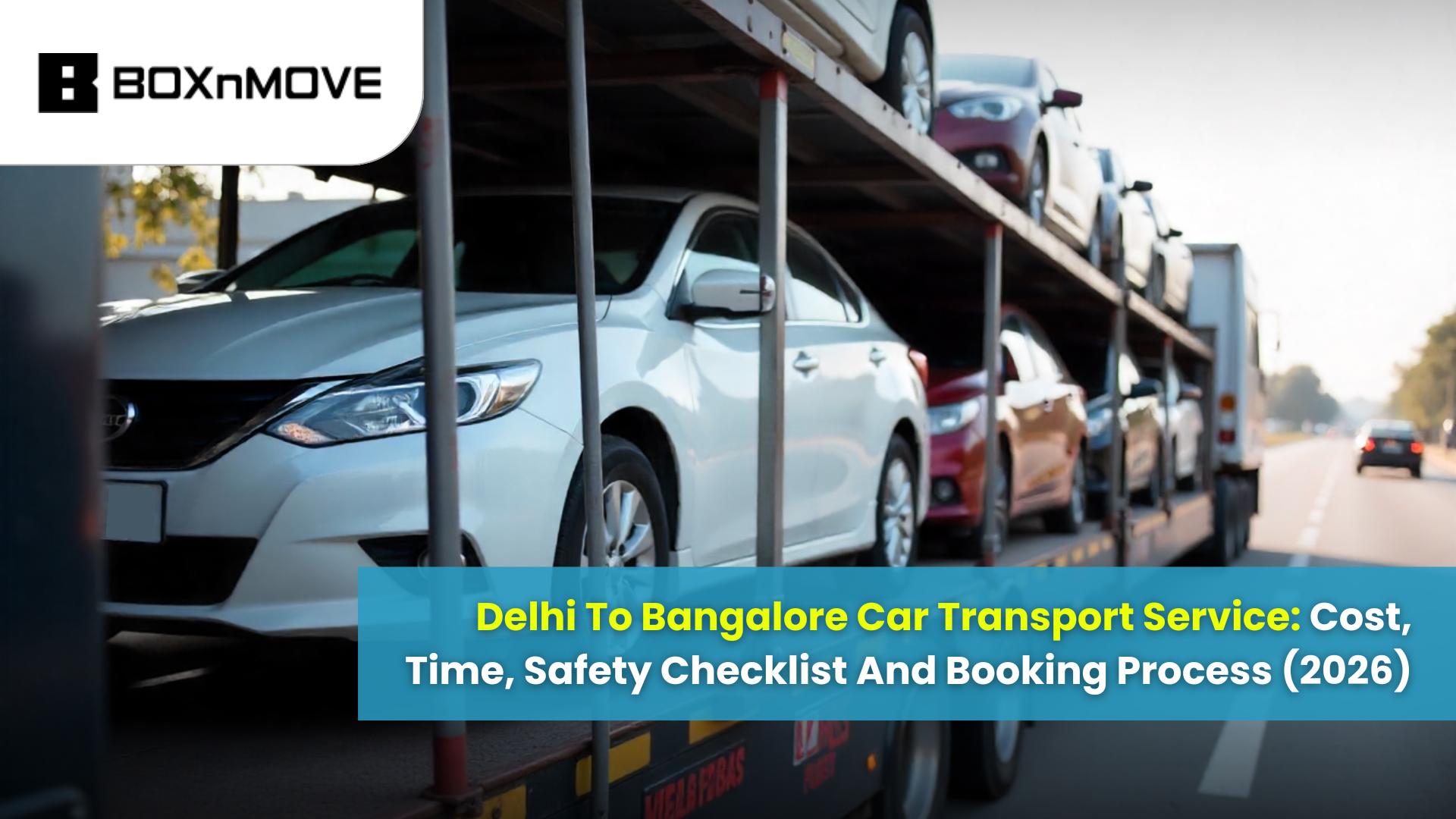
Open carriers are the most common option. You’ve seen them on highways, multiple cars stacked, open to the environment.
This option is usually chosen when your priority is budget and practicality, and your car is a regular daily-use vehicle where you can accept normal exposure to dust and road grime during transit.
The important thing is, open carrier does not mean unsafe by default. It becomes unsafe when the loading is sloppy, when the car isn’t secured properly, or when the carrier is overcrowded and vehicles are touching too close.
So an open carrier works fine if the operator is disciplined.
2) Enclosed Car Carrier
If you want higher protection, enclosed transport is the calmer option.
Your car sits inside a covered container or enclosed body, so the vehicle is protected from road dust, weather, and random scratches from external elements.
This option makes sense when:
- Your car is new, premium, or luxury
- You’re very particular about paint condition
- You have low tolerance for “it will be fine” risks
Enclosed transport typically costs more, but what you are really paying for is reduced exposure and more controlled handling.
3) Car Transport By Train
Rail transport is a real option in India, and some people prefer it because it reduces long road movement, and for certain routes it can be cost-effective.
However, it also comes with its own process and availability realities, because train scheduling and station handling varies, and not every provider makes this simple for customers.
If you choose train, you should ask clearly:
- Who handles station formalities
- Whether pickup and delivery is door-to-door or station-based
- What the realistic timeline is, including station handling time
A train can be a good option, but only if the provider is experienced in managing the full flow.
Delhi To Bangalore Car Transport Charges: What You’re Really Paying For
Most people ask “what is the cost” like it is one fixed number. It’s not. Cost depends on what you are asking the operator to do, and how much protection you want.
The biggest factors that shape price are:
Your Car Type And Size
A hatchback, sedan, compact SUV, and full-size SUV don’t occupy the same space and don’t carry the same loading effort. Bigger vehicles usually cost more.
Carrier Type
Open carriers are generally more budget-friendly. Enclosed carriers generally cost more because the protection level and operating cost is higher.
Pickup And Drop Convenience
Door-to-door is convenient, but it can add cost if access is complicated or if the carrier needs additional movement to reach your lane or society.
Insurance And Risk Coverage
Some providers include basic coverage, some make it an add-on, and some speak about insurance vaguely. This is a major area where you must get clarity, because “insurance is there” is not the same as “insurance is clearly defined.”
Timing And Seasonality
Last-minute bookings, peak migration seasons, and high-demand periods often come with higher pricing. Not because someone is cheating you, but because logistics capacity gets tighter.
Instead of asking for “cheap,” ask for “fair and clear.” You want a quote that matches written scope and written terms.
The Safety Checklist Before You Pay Any Advance
This is the section that saves people from scams and regrets.
This is also the exact reason BOXnMOVE keeps the transport flow documented and structured, because you should never have to “trust blindly” when your car is on the line. A clean written scope, inspection proof, and sensible payment milestones are not extras, they’re the basics.
Before you pay any advance, run this checklist. A genuine car transport company won’t get offended by these questions. They will respect you more for asking.
- Company Identity Must Be Clear: You should know the company name, invoice name, and who you are paying. If everything is random WhatsApp communication and personal UPI, you should pause.
- Written Quotation With Scope: The quote should mention carrier type, pickup and drop arrangement, timeline expectation, and any special terms. If the quote is only a voice note, you are buying a future argument.
- Pre-Loading Inspection And Photos: You should click clear photos of your car from all angles, including odometer and fuel level. A professional operator will also do an inspection note. This protects both sides.
- Insurance Clarity In One Straight Answer: Ask - what is covered, what is not covered, and how claims are handled. If they avoid the question or answer vaguely, treat it as a risk.
- Payment Structure That Feels Safe: A small booking token can be normal. Full payment before loading is where problems begin. You want a structure where final payment aligns with delivery or at least with confirmed dispatch and paperwork.
- Tracking And Updates: Ask how frequently you’ll get updates and who is the escalation contact if something goes wrong. One responsible point of contact reduces stress massively.
This checklist is not about being suspicious. It’s about being smart, because once your car leaves Delhi, you don’t want to feel powerless.
Documents You Usually Need (And When NOC Matters)
For most standard cars shifting from Delhi to Bangalore, the basic documents are straightforward.
Usually, providers ask for:
- RC copy
- Insurance copy
- PUC copy (sometimes)
- ID proof of the owner
Now about NOC, people panic about it, so let’s keep it simple.
If you are transporting the car only, many cases do not require a special NOC just for movement. But if your car is financed, the transporter may ask for lender-related confirmation depending on their internal policy. And if you are planning to keep the car in Bangalore long-term and re-register it later, the NOC and registration transfer process becomes relevant.
So the clean approach is this. Tell the transporter your purpose, “transport only” or “transport plus long-term stay,” and ask what they require in writing.
Step-By-Step Booking Process: Pickup To Delivery
When a car transport service is professional, the process feels structured. When it is not, the process feels like you are trusting luck.
Here is what the right flow looks like.
Step 1: Quote Confirmation And Method Selection
You confirm whether it is an open carrier, enclosed carrier, or train, and you confirm pickup and drop style. You also confirm timeline expectations and payment milestones.
Step 2: Pre-Pickup Preparation
Keep fuel low, not empty, but low. Remove valuables. Remove loose items that can move around and cause scratches inside. If you have removable accessories, consider removing them.
Then click photos. Not because you want to fight later, but because photos create clarity.
Step 3: Pickup And Inspection
At pickup, there should be an inspection note or at least a clear acknowledgement of the car condition. The car is then loaded carefully and secured properly.
Step 4: Transit Updates
You should receive updates based on an agreed rhythm, and if there is a delay, the operator should explain it logically, not with excuses.
Step 5: Delivery And Receiving Checklist In Bangalore
When your car arrives, don’t rush.
Inspect in daylight if possible. Match condition with photos. Check exterior panels, bumpers, mirrors, and glass. Check the odometer and fuel level. If you notice an issue, document it immediately and raise it calmly with the contact person.
Then complete the handover and payment closure as per terms.
This is how you keep control without drama.
How BOXnMOVE Handles Delhi To Bangalore Car Transport (So Your Car Isn’t Treated Like Just Another Vehicle)
When you book with BOXnMOVE, the focus stays on controlled handling and predictable communication, because in long-route car transport the real risk is not the distance, it is sloppy loading, vague timelines, and zero accountability. So we keep the process structured from the first quote to the final handover, with clear carrier selection, documented pickup condition, and consistent updates until delivery in Bangalore.
Mistakes People Make On This Route (And How You Avoid Them)
Most regret comes from small mistakes, not big ones.
One mistake is leaving valuables in the car, and then feeling helpless later. Avoid it completely.
Another mistake is booking purely on the lowest quote. Low quotes often hide scope gaps, and scope gaps turn into surprise charges.
Skipping inspection proof is another mistake. Photos and a simple condition note prevent arguments later.
Paying a full amount before loading is also a classic mistake. If the operator is genuine, they can work with a balanced payment structure.
And finally, many people don’t ask about insurance clearly. They hear “yes yes insurance hai,” and later they realize it was not defined. Ask once, properly, and get the answer properly.
FAQ
1) How many days does Delhi to Bangalore car transport take?
Most road movements typically fall in a 5 to 8 day range, but pickup schedules, consolidation time, and city access timing can shift this. Always ask for a realistic window, not a single date promise.
2) Open carrier or enclosed carrier, what should I choose?
If you want maximum protection and your car value or your peace of mind matters more than small cost differences, enclosed is safer. If your car is regular-use and you choose a disciplined operator, an open carrier can work fine.
3) Can I transport my car by train?
Yes, train transport is possible, but it depends on process and availability. Ask whether it is door-to-door or station-based and what the complete timeline looks like including station handling.
4) Can I keep luggage inside the car?
Many transporters discourage it because it increases risk of damage and disputes, and in some cases it may not be allowed. Keep the car empty for a smoother experience.
5) What if my car has damage on delivery?
Document it immediately, compare with pickup photos, and raise it through the operator’s escalation channel. This is exactly why inspection proof and insurance clarity matters before booking.
Final Thoughts
Booking a Delhi to Bangalore car transport service should not feel like gambling with your car.
If you choose the method that matches your risk tolerance, if you demand written scope, if you document the condition properly, and if you keep payment terms sensible, your car transport becomes a calm process instead of a stress story.
So don’t chase the fastest promise. Chase the clearest promise.
If you want that kind of clarity and process-driven handling on this route, BOXnMOVE can manage the transport in a way that feels calm and predictable, not rushed and vague. The goal is simple: your car reaches Bangalore in the same condition it left Delhi, and you feel informed at every step.
Because when your car arrives in Bangalore, you don’t want relief mixed with doubt.
You want it to feel simple.
Like it was handled properly, from the first call to the final handover.
Also Read: Dark Store Services In Faridabad: How Micro-Fulfillment Storage Hubs Help Brands Deliver Faster